Airbus
Designing the next generation of satellite management system
Helping Airbus adopt a human-centred approach to the design of a highly complex, mission-critical satellite management platform over a three-year transformation programme.
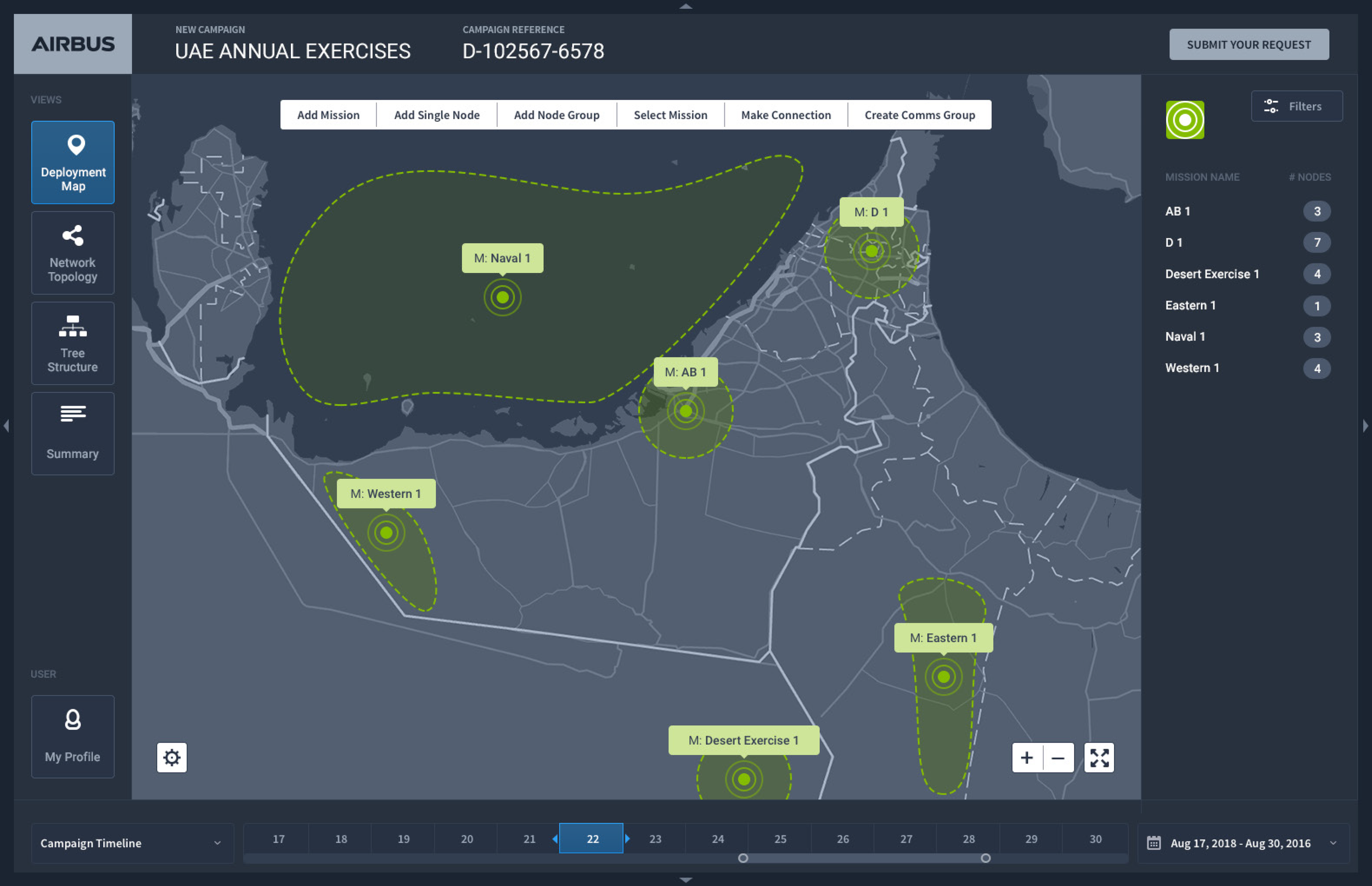
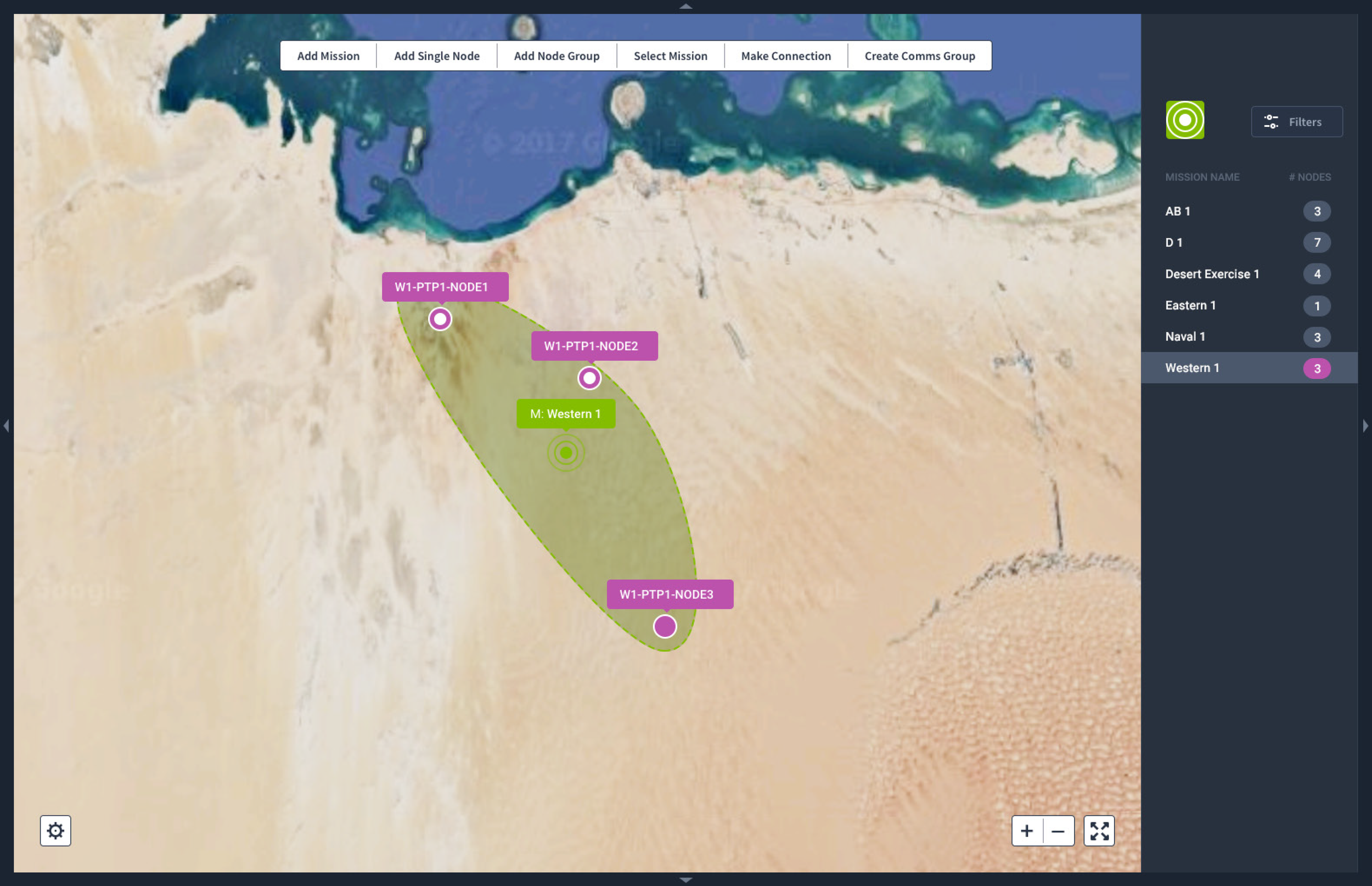
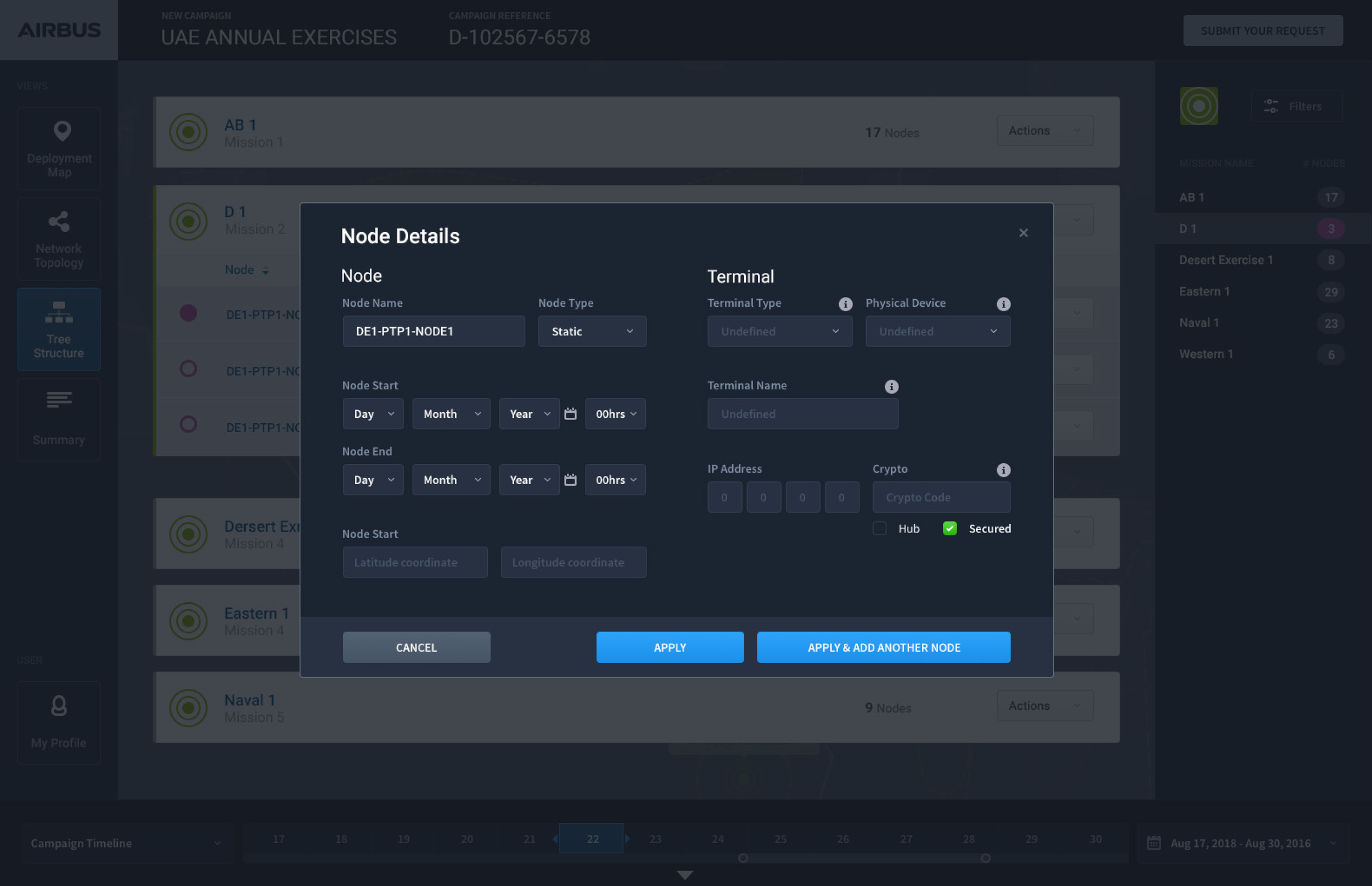
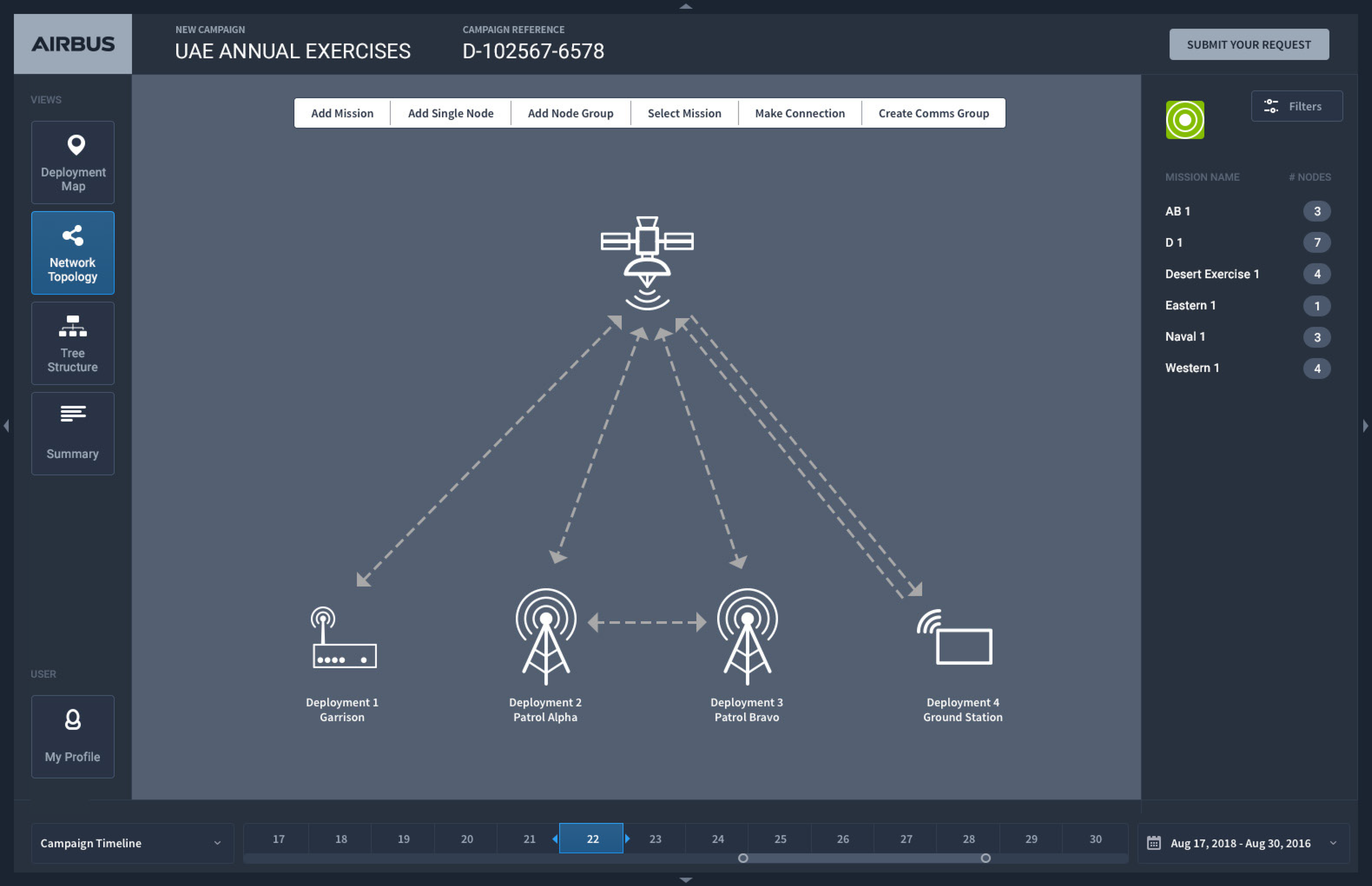
Screenshots are of early hi-fidelity prototype screens
The Opportunity
Airbus was embarking on the development of a next-generation satellite management platform to support increasingly complex operational requirements. While the engineering capability was world-class, the organisation recognised the need to place operators at the centre of the design process.
The challenge wasn't simply to redesign an interface—it was to introduce a human-centred design approach into the development of an extremely complex enterprise product where usability, efficiency and confidence directly influenced operational effectiveness.
Because of the classified nature of the programme, only selected aspects of the project can be shared.
My Role
As UX Project Lead and Account Director, I was responsible for defining the overall UX strategy and leading the end-to-end user-centred design process.
Working alongside Airbus stakeholders, engineers and product teams, I helped establish the design approach that would guide a three-year product roadmap—from early discovery through to production-ready interaction models and UI standards.
Leadership
Rather than simply designing screens, I helped build alignment across multiple disciplines.
This included:
• Facilitating stakeholder workshops to establish vision, priorities and delivery roadmap
• Leading customer research with highly specialised users
• Defining UX strategy across multiple product modules
• Translating operational complexity into intuitive workflows
• Presenting concepts and recommendations to senior stakeholders
• Embedding continuous user validation throughout the programme
A Continuous Design Partnership
One of the defining characteristics of this programme was the continuous involvement of end users throughout the project lifecycle.
Rather than validating designs at the end, we engaged satellite operators throughout discovery, prototyping and refinement, ensuring that every iteration reflected genuine operational needs rather than assumptions.
This approach significantly reduced delivery risk while giving stakeholders confidence that design decisions were grounded in evidence.
Lasting Outcomes
Although the project remains confidential, the engagement resulted in:
✔ A user-centred design strategy spanning a multi-year delivery programme
✔ A validated information architecture supporting complex operational workflows
✔ High-fidelity interactive prototypes used to align stakeholders and development teams
✔ A living design guide enabling consistent implementation
✔ A repeatable human-centred design approach embedded within the project
Reflection
This project reinforced an important lesson that has stayed with me throughout my career:
On complex enterprise programmes, the greatest value of design isn't creating beautiful interfaces—it's helping organisations reduce uncertainty.
By bringing users, engineers and stakeholders together around shared evidence, design became a strategic tool for building confidence, aligning decisions and delivering better outcomes.